
Diwali is a festival of lights, happiness and family gatherings. Across India, homes come alive with beautifully decorated diyas, colourful rangolis, sweets and celebrations. Families travel long distances to be together, children look forward to festive treats, and homes are filled with laughter and warmth.
However, Diwali celebrations in the Indian Armed Forces have a charm and significance of their own. Here, festivals are about much more than rituals and traditions. They represent camaraderie, secularism, sacrifice, friendship and an extraordinary sense of belonging.
In the world of the Armed Forces, a festival is rarely celebrated by just one family or one community. It is shared by an entire military fraternity. A Hindu family may invite their Muslim neighbours for Diwali dinner, a Sikh officer may join Christmas celebrations, and colleagues of different faiths may come together to celebrate Eid or Gurpurab.
This is what makes military life so special. Different religions, cultures and traditions come together to create one large family.
Diwali in the Armed Forces: Celebrations Beyond Boundaries
For most defence families, Diwali celebrations begin well before the actual festival. Military residential quarters are decorated with lights, diyas and colourful rangolis. Officers‘ messes and common areas are transformed with festive decorations, while families prepare traditional delicacies and sweets.
Cantonments come alive with celebrations, social gatherings and festive dinners. Children look forward to meeting their friends, while adults catch up with colleagues and families who may have moved to different stations over the years.
However, military Diwali celebrations are not always about being with one’s immediate family.
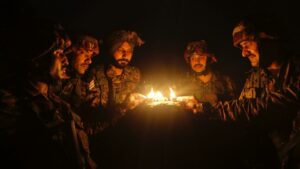
For personnel deployed in remote locations, high-altitude areas or operational zones, the festival may mean sharing sweets with fellow soldiers, lighting a few diyas and exchanging greetings over a brief phone call with loved ones.
For an Air Force officer on operational duty or a Navy sailor serving at sea, celebrations may take place far away from home.
Yet, the spirit of Diwali remains alive.
A colleague becomes family, a shared meal becomes a celebration, and a simple message from home becomes a precious reminder of everything waiting beyond the uniform.
After all, for a Fauji, home is not always a fixed address. It is often the people who stand beside them wherever duty takes them.
Secularism in the Indian Armed Forces: One Uniform, Many Faiths, One Family
One of the most remarkable aspects of the Indian Armed Forces is their commitment to secularism and religious harmony.
The Indian Army, Navy and Air Force bring together personnel from different religions, regions, languages and cultural backgrounds. Their traditions may differ, but their sense of duty, mutual respect and commitment to the nation unite them.
In military life, secularism is not simply an idea discussed in classrooms or written in the Constitution. It is something experienced every day.
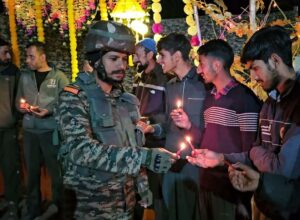
It can be seen in the way personnel celebrate each other’s festivals, respect different religious practices and participate in traditions that may not necessarily belong to their own faith.
A Diwali celebration is enjoyed by everyone in the unit. Eid is an occasion for colleagues to share festive meals and extend greetings. Christmas brings people together for carol singing and celebrations, while Gurpurab offers an opportunity to experience the warmth of Sikh traditions.
The celebrations are not restricted by religion. Everyone is welcome, everyone participates, and everyone shares in the happiness.
When Your Neighbour’s Festival Becomes Your Own
Ask anyone who has grown up in a military cantonment about their childhood memories, and they will probably have stories that go beyond their own religious celebrations.
They may remember visiting a friend’s home for Eid and enjoying delicious biryani and sheer khurma. They may recall attending Christmas celebrations, singing carols or enjoying a festive dinner at a colleague’s home. They may have joined neighbours for Gurpurab celebrations or helped decorate a friend’s home for Diwali.
These experiences are part of everyday military life.
A festival becomes an opportunity to share food, understand traditions and strengthen friendships. Children grow up seeing their parents participate in celebrations across communities, making religious harmony a natural part of their upbringing.
This is perhaps one of the most beautiful lessons that military life teaches: respecting another person’s faith does not diminish your own. Instead, it makes your world richer.
Places of Worship and the Spirit of Mutual Respect
Military establishments across the country reflect India’s religious and cultural diversity.
Depending on the station, military communities may have temples, gurudwaras, churches and mosques, allowing personnel to practise their faith and observe religious traditions.
These places of worship represent more than religious spaces. They reflect the importance of freedom of faith, mutual respect and peaceful coexistence.
The Armed Forces demonstrate that people do not have to share the same religion to share the same values, friendships and responsibilities.
Different prayers, different traditions, but one shared commitment to the nation.
The Festivals That Bring the Armed Forces Together
India’s cultural diversity is reflected beautifully in the way festivals are celebrated across military establishments. Every festival brings its own traditions, food, music and opportunities for people to come together.
1. Diwali: The Festival of Lights
Diwali is celebrated with traditional prayers, beautifully decorated homes, festive dinners and the exchange of sweets. In cantonments, the celebrations often bring together serving personnel, veterans and their families.
For those posted away from home, fellow personnel become an extended family, ensuring that the festival is celebrated with warmth and enthusiasm.
2. Holi: A Celebration of Friendship and Camaraderie
Holi is among the most anticipated celebrations in many military stations. The festival brings people together through colours, music, food and laughter.
It is also an occasion when the usual formalities of military life take a back seat, allowing officers, soldiers and families to enjoy themselves together.
3. Baisakhi: Celebrating Heritage and Tradition
Baisakhi has special significance for many defence families, particularly those connected with Punjab and Sikh regimental traditions.
The festival is marked by traditional food, music, bhangra and cultural gatherings. It is also an opportunity to celebrate the rich heritage and traditions that form an important part of military life.
4. Eid: Sharing Happiness and Brotherhood
Eid celebrations bring military communities together through prayers, festive meals and the sharing of traditional delicacies.
Colleagues from different faiths often join in the celebrations, exchange greetings and enjoy the warmth of the occasion.
5. Christmas: A Season of Joy and Giving
Christmas celebrations in military stations often include church services, carol singing, decorated spaces and festive dinners.
For many defence children, these celebrations become cherished memories of growing up in an inclusive environment where every festival is an occasion to participate.
6. Gurpurab: Celebrating Faith and Service
Gurpurab is celebrated with devotion and community participation. The traditions of prayer, seva and langar offer opportunities for everyone to come together.
The spirit of selfless service associated with these celebrations also resonates deeply with the ethos of the Armed Forces.
Across all these occasions, one thing remains constant: the happiness of celebrating together.
The Officers’ Mess: Where Traditions and Memories Come Alive
For anyone who has grown up in a defence family, the officers’ mess holds a special place in their memories.
It is much more than a dining space. It is where friendships are formed, traditions are celebrated and families come together.
Festive dinners, beautifully decorated halls, cultural programmes and social gatherings are an integral part of military social life.
Children remember running around the mess during celebrations, making friends across different age groups and looking forward to special festive meals.
For serving personnel, these gatherings provide an opportunity to reconnect with colleagues and their families. They also help maintain a sense of community, particularly when frequent postings make it difficult to remain in one place for long.
Many of these friendships continue long after officers move to different stations or retire from service.
When Duty Comes Before Celebrations: The Sacrifices of Military Families
Behind every military celebration is an understanding that duty comes first.
Unlike many other professions, military service does not stop for festivals, birthdays or anniversaries. There are Diwalis when serving personnel remain deployed at the borders, Christmases spent on operational duty and Eid celebrations marked thousands of kilometres away from home.
For their families, this often means adapting to an unusual routine.
A spouse may decorate the house and organise celebrations while waiting for a phone call. Children may celebrate festivals without one parent at home. Sometimes, families postpone celebrations until their loved one returns from deployment.
Military spouses play an enormous role in keeping traditions alive. They create a festive atmosphere, support their children and ensure that family celebrations continue despite the challenges of frequent transfers and separation.
These experiences require patience, resilience and an understanding of the demands of military life.
For many defence families, the most meaningful festival gift is simply having everyone under one roof.
Growing Up in a Defence Family: Lessons That Last a Lifetime
Growing up in a defence family is an experience unlike any other.
Frequent transfers, changing schools, new friendships and exposure to different parts of India become a natural part of childhood. Children learn to adjust quickly, build friendships easily and embrace new surroundings.
However, perhaps the greatest influence of this upbringing comes from the values they observe at home and in their military community.
They see their parents respecting different cultures, participating in celebrations across religions and building lifelong friendships with people from diverse backgrounds.
They learn that:
- Religion and cultural differences should be respected.
- Friendship and relationships go beyond geographical boundaries.
- Adaptability is an important part of life.
- Family is not restricted to people who share your surname or address.
- Commitment, responsibility and mutual respect are the foundations of lasting relationships.
These lessons often stay with defence children well into adulthood.
Even after leaving cantonments and settling into civilian life, many continue to carry the inclusive outlook, resilience and sense of belonging they developed while growing up.
From Military Camaraderie to Relationships and Marriage
The values associated with military life often influence how defence children approach relationships and marriage.
Having grown up in an environment where commitment, discipline, mutual respect and adaptability are important, many understand the importance of having a partner who appreciates these qualities.
Military life also comes with its own realities. Frequent postings, demanding schedules, periods of separation and the responsibilities of supporting a serving spouse require understanding from both partners.
For this reason, many defence families prefer to explore matrimonial connections within the wider defence community.
A partner who understands the lifestyle may already appreciate the importance of flexibility, family support and the sacrifices that come with serving in the Armed Forces.
At the same time, shared backgrounds are not the only foundation of a successful marriage. Respect, compatibility, communication and shared values matter far more than labels.
At Defence Wards Matrimony, we recognise the importance of these connections and the unique experiences that bring defence families together.
A Diwali Salute to Every Defence Family
As we celebrate another Diwali, it is important to remember the people who make these celebrations possible.
We salute the serving personnel who may be celebrating away from their families, the veterans who have dedicated their lives to the nation, and the military spouses and children who stand strong through every posting, transfer and separation.
We also celebrate the unique culture of the Armed Forces, where people from different faiths and backgrounds come together not just during festivals, but throughout the year.
The military community reminds us that unity does not require uniformity. We can follow different religions, speak different languages and celebrate different traditions while sharing the same sense of belonging.
At Defence Wards Matrimony, we are proud to be part of this larger community and to celebrate the values that make defence families so special.
This Diwali, may every home be filled with light, every family find reasons to celebrate, and every person serving away from home feel the warmth of the military fraternity.
Because in the Armed Forces, every festival is everyone’s celebration.
Different faiths. Different traditions. One uniform. One family. One India.
Happy Diwali from the Defence Wards Matrimony family!
Jai Hind!